


What title insurance software needs to get right in 2026
The tools are getting smarter. So is the fraud. Here's what matters in 2026.
Share article:


Katie Stewart
5 minutes
Title Insurance
Aug 21, 2026
Aug 21, 2026
Title companies are running on thinner margins and tighter timelines than they were five years ago. The closings haven't gotten simpler. The fraud hasn't gotten easier to spot. And the software stack most teams inherited was never built to do both at once.
2026 is the year that starts to change, not because of one big leap, but because three things are finally converging. Automation that removes work instead of adding a screen. Fraud protection that's built into the closing instead of bolted on as a separate check. Client-facing tools that make the experience feel modern instead of a stack of PDFs.
The stack problem hasn't gone away
Most title and escrow teams still work across a production system, a title search tool, a payoff verification process, and some combination of email and phone calls to hold it all together. Every handoff between those systems is a place where data gets re-entered, a step gets missed, or a fraudster finds an opening.
The fix isn't another tool. It's fewer seams. A closing platform that's genuinely connected, one system of record instead of five partially-synced ones, cuts the re-entry, cuts the delay, and cuts the number of places a bad actor can slip in. That's the difference between a point solution and a platform: one is a piece of software you adopt, the other is the environment your closing happens in.
Payment fraud is getting harder to catch by eye
Seller impersonation, business email compromise, and account takeover fraud aren't new tactics. What's new is how convincing they've gotten. A spoofed email from a "title officer" or a fraudulent payoff letter can look identical to the real thing, because the fraud is now built with the same tools your team uses to do legitimate work.
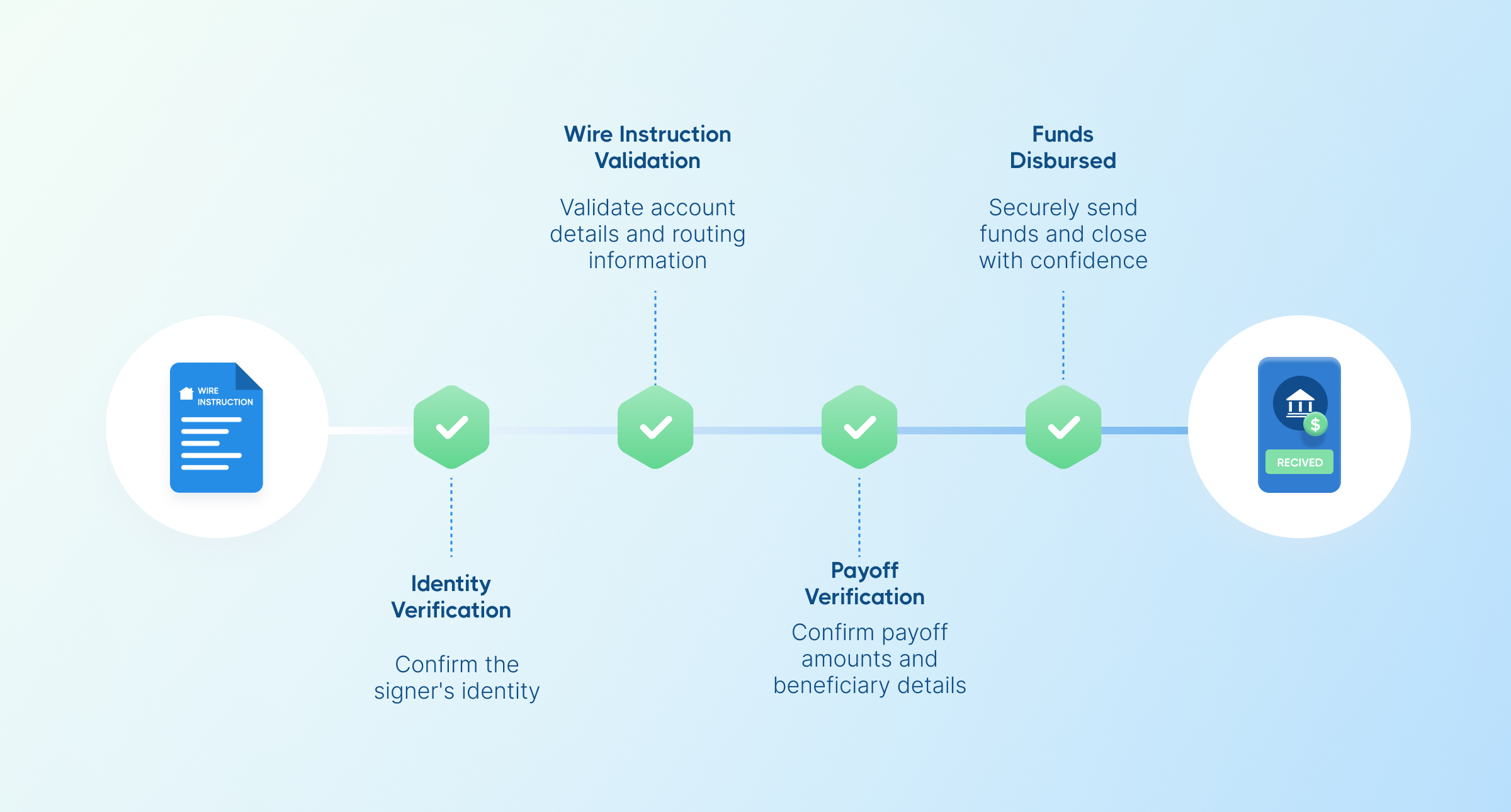
This is why identity verification and wire instruction validation can't be a manual step someone remembers to do when they have time. They need to happen automatically, at the moment a file is opened and again before funds move.
CertifID protected 1.46 million real estate closings in 2025 and backed $1.4 billion in funds. Those numbers only work at that scale because verification is built into the workflow, not a checklist someone runs when they remember to.
When something does go wrong, the response matters as much as the prevention. CertifID's Fraud Recovery Services has recovered $140+ million in stolen funds for victims. Speed after a wire is misdirected determines whether funds can be clawed back at all.
Automation should remove work, not add a screen
AI in title and escrow software gets pitched as a headline feature. The more useful framing is narrower: what repetitive task does it remove from someone's day? Payoff verification is a good example. 97% of payoffs can now be verified instantly, with lender callbacks closing out the rest, instead of a closer spending twenty minutes on hold with a servicer for every file.
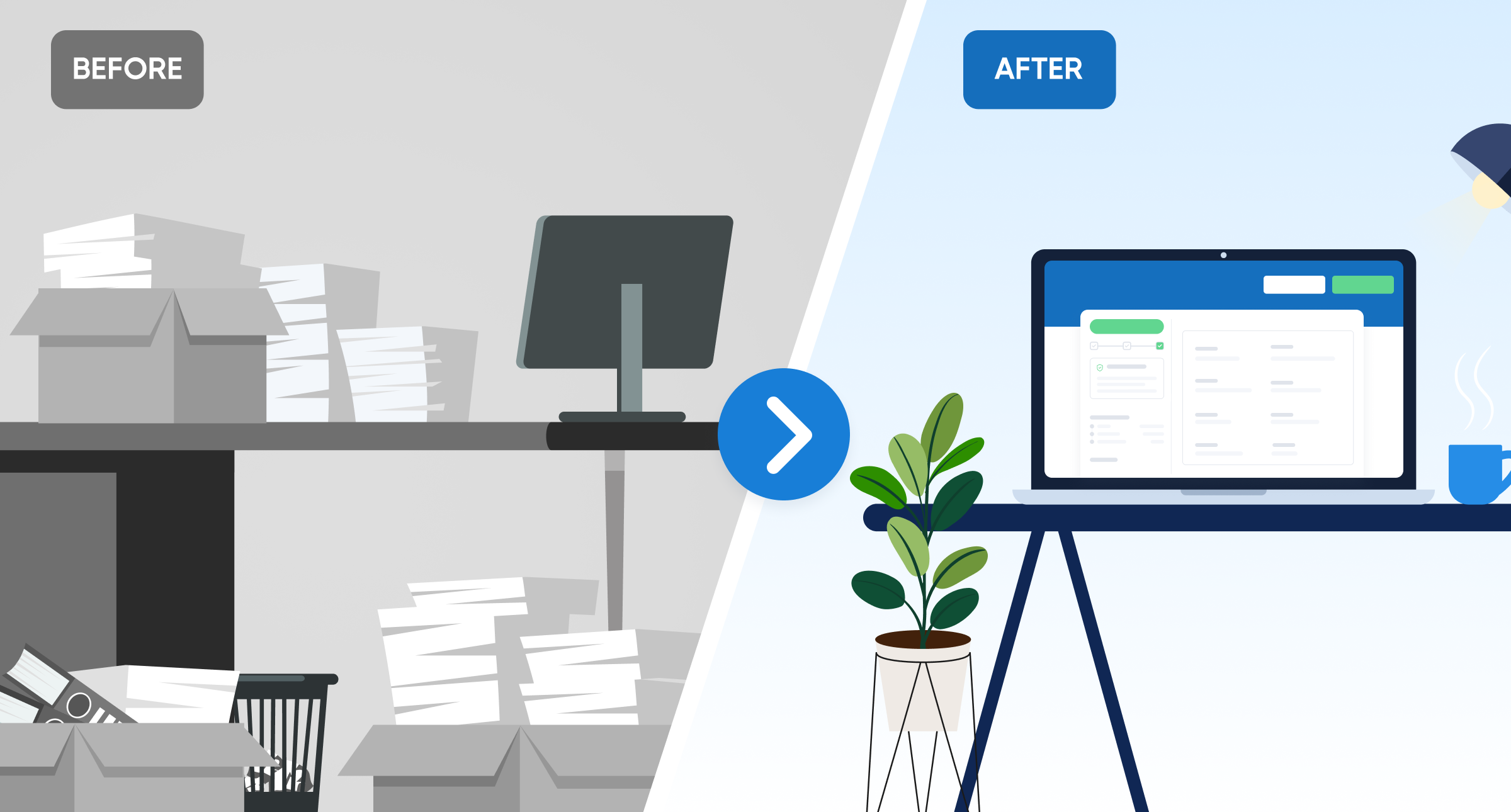
That's the test for any automation claim in this space. Does it save a person time on a task they were already doing, or does it just move the manual work into a different tab.
Clients notice the parts that touch them directly
Homebuyers and sellers don't see your production system. They see whether they got a text update, whether the portal made sense, and whether anyone tried to trick them into wiring money to the wrong account.
According to the 2026 State of Wire Fraud Report, 22% of homebuyers received fraudulent communications during their transaction, and 85% said they'd pay extra for protection against it.
That's not a niche concern anymore. It's close to becoming table stakes. A secure wire instruction portal isn't just a fraud control. For a lot of buyers, it's the first concrete sign that a title company is taking their money seriously.
What this looks like for a title company evaluating its stack in 2026
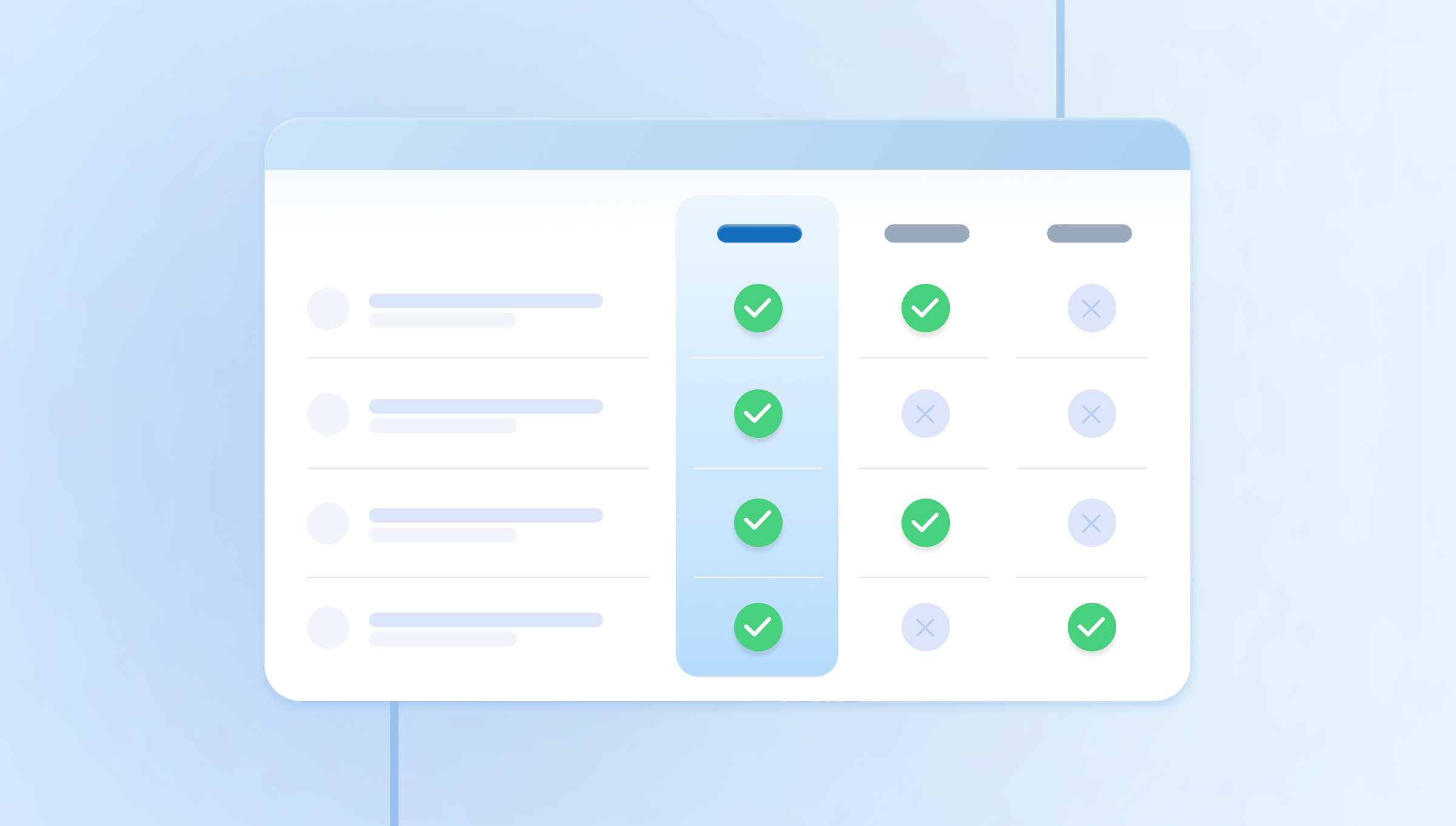
The questions worth asking aren't about feature lists. They're about what's genuinely built into the workflow versus what's an extra login: Is identity verification automatic, or does someone have to remember to run it? Is wire instruction validation happening before funds move, or after something's already gone wrong? Does the client-facing portal feel like part of the closing, or like a second system they have to check separately?
Most platforms answer one of those questions well. Few answer all three, because most were built to solve one problem at a time instead of the whole closing.
That's the bar in 2026. Verify identities. Insure wire transfers. Move earnest money deposits and cash to close through that same secure platform instead of a check or a separate app. CertifID is one secure place for buyers, sellers, and agents to complete every step of the closing, from start to final payment, without the gaps that let fraud in.

FAQ
How does title insurance software prevent payment fraud?

Effective title insurance software validates identity and wire instructions automatically, at the moment a file opens and again before funds move, rather than relying on someone to remember a manual check. CertifID backs every verified wire with up to $5 million in insurance and layers in payoff verification and fraud recovery services for when something slips through anyway.
What's the difference between title insurance software and escrow software?
Title production and escrow accounting used to live in separate systems, which is part of why re-entry errors and missed steps happen in the first place. Closing platforms that combine title production, escrow, payoff verification, and fraud protection into one connected system instead of several tools stitched together.
What is title insurance software?
Title insurance software is the platform a title company uses to manage a closing from open order through funding, covering title search, production, escrow accounting, payoff verification, and disbursement. The strongest platforms in 2026 build fraud prevention directly into that workflow rather than treating it as a separate step someone runs on the side.

VP of Customer Success

Katie's background combines both IT and education. Her degree is in Management Information Systems, and she spent her first four years in the workforce as an IT business analyst. Katie took a career turn and joined Teach for America and worked in inner-city schools in Indianapolis as a math teacher and eventually an assistant principal. Today she combines her IT nerdiness and love of teaching, helping customers find success every day.
Title companies are running on thinner margins and tighter timelines than they were five years ago. The closings haven't gotten simpler. The fraud hasn't gotten easier to spot. And the software stack most teams inherited was never built to do both at once.
2026 is the year that starts to change, not because of one big leap, but because three things are finally converging. Automation that removes work instead of adding a screen. Fraud protection that's built into the closing instead of bolted on as a separate check. Client-facing tools that make the experience feel modern instead of a stack of PDFs.
The stack problem hasn't gone away
Most title and escrow teams still work across a production system, a title search tool, a payoff verification process, and some combination of email and phone calls to hold it all together. Every handoff between those systems is a place where data gets re-entered, a step gets missed, or a fraudster finds an opening.
The fix isn't another tool. It's fewer seams. A closing platform that's genuinely connected, one system of record instead of five partially-synced ones, cuts the re-entry, cuts the delay, and cuts the number of places a bad actor can slip in. That's the difference between a point solution and a platform: one is a piece of software you adopt, the other is the environment your closing happens in.
Payment fraud is getting harder to catch by eye
Seller impersonation, business email compromise, and account takeover fraud aren't new tactics. What's new is how convincing they've gotten. A spoofed email from a "title officer" or a fraudulent payoff letter can look identical to the real thing, because the fraud is now built with the same tools your team uses to do legitimate work.
This is why identity verification and wire instruction validation can't be a manual step someone remembers to do when they have time. They need to happen automatically, at the moment a file is opened and again before funds move.
CertifID protected 1.46 million real estate closings in 2025 and backed $1.4 billion in funds. Those numbers only work at that scale because verification is built into the workflow, not a checklist someone runs when they remember to.
When something does go wrong, the response matters as much as the prevention. CertifID's Fraud Recovery Services has recovered $140+ million in stolen funds for victims. Speed after a wire is misdirected determines whether funds can be clawed back at all.
Automation should remove work, not add a screen
AI in title and escrow software gets pitched as a headline feature. The more useful framing is narrower: what repetitive task does it remove from someone's day? Payoff verification is a good example. 97% of payoffs can now be verified instantly, with lender callbacks closing out the rest, instead of a closer spending twenty minutes on hold with a servicer for every file.
That's the test for any automation claim in this space. Does it save a person time on a task they were already doing, or does it just move the manual work into a different tab.
Clients notice the parts that touch them directly
Homebuyers and sellers don't see your production system. They see whether they got a text update, whether the portal made sense, and whether anyone tried to trick them into wiring money to the wrong account.
According to the 2026 State of Wire Fraud Report, 22% of homebuyers received fraudulent communications during their transaction, and 85% said they'd pay extra for protection against it.
That's not a niche concern anymore. It's close to becoming table stakes. A secure wire instruction portal isn't just a fraud control. For a lot of buyers, it's the first concrete sign that a title company is taking their money seriously.
What this looks like for a title company evaluating its stack in 2026
The questions worth asking aren't about feature lists. They're about what's genuinely built into the workflow versus what's an extra login: Is identity verification automatic, or does someone have to remember to run it? Is wire instruction validation happening before funds move, or after something's already gone wrong? Does the client-facing portal feel like part of the closing, or like a second system they have to check separately?
Most platforms answer one of those questions well. Few answer all three, because most were built to solve one problem at a time instead of the whole closing.
That's the bar in 2026. Verify identities. Insure wire transfers. Move earnest money deposits and cash to close through that same secure platform instead of a check or a separate app. CertifID is one secure place for buyers, sellers, and agents to complete every step of the closing, from start to final payment, without the gaps that let fraud in.
VP of Customer Success
Katie's background combines both IT and education. Her degree is in Management Information Systems, and she spent her first four years in the workforce as an IT business analyst. Katie took a career turn and joined Teach for America and worked in inner-city schools in Indianapolis as a math teacher and eventually an assistant principal. Today she combines her IT nerdiness and love of teaching, helping customers find success every day.
Sign up for The Wire to join the conversation.





Austin
3601 South Congress Ave.
Ste D200, Austin, Texas 78704

Grand Rapids
124 Fulton Street E
Grand Rapids, MI 49503

