


We reviewed 6 Closinglock alternatives for wire fraud prevention
Here's the full breakdown of each one, starting with the one built to cover the whole risk, not just part of it.
Share article:


.png)
Tyler Nickel
6 minutes
Fraud Prevention
Jul 17, 2026
Jul 17, 2026
Quick summary
Closinglock is a solid wire fraud tool. But it has limitations, and it is not the only option. CertifID leads the list of Closinglock alternatives, offering deep integrations and partnering with the U.S. Secret Service for fraud recovery. Qualia Shield and AtClose follow close behind.
Looking for the best alternatives to Closinglock?
For years, Closinglock has been many firms' default choice for delivering and receiving wiring instructions securely. But lately, if you're looking at your options, or second-guessing your current setup, a few questions matter more than the rest: whether the tool verifies wiring instructions reliably, what happens when a wire goes wrong, and what the insurance covers.
This guide walks through six alternatives so you can answer those questions for your business.
We’re breaking down six of the best Closinglock alternatives on the market right now. For every tool on the list, we’ll give you the honest lowdown on what it does, plus a quick breakdown of how to choose the right fit for your team.
Why listen to us?
CertifID was created by title professionals after our founder lost over $180,000 in a Black Axe-linked BEC attack and fought to get it back. Since then, we’ve recovered $130M+ for fraud victims and verified 1.46M wires in 2025. Our State of Wire Fraud report is cited by NAR, ALTA, HousingWire, and industry media.

What is Closinglock?
Closinglock is a wire fraud prevention platform designed primarily for title companies, escrow companies, and real estate attorneys. Its main functions include securely delivering wiring instructions to buyers, receiving wiring instructions from sellers, processing earnest money deposits (EMD) digitally through a Plaid integration, and offering e-sign and document sharing capabilities.
The platform has grown quickly and built strong brand awareness in the title space. It is generally seen as a good entry point for firms that want to move beyond sending wiring instructions by email or PDF. Whether it is the right long-term partner is a different question, and the answer depends on what you need from a wire fraud prevention tool.
Let’s go a step further.
Some reasons you might be looking for alternatives to Closinglock
The insurance works differently than you might expect
In late 2024, Closinglock rolled out wire fraud insurance coverage backed by Lloyd’s of London, offering up to $5 million per wire. While that dollar amount sounds great on paper, the ownership structure of the policy is what affects your claims experience.
ClosingLock's coverage runs on a third-party policy that ClosingLock owns and controls. You're added as an insured, but the policy isn't yours. If a wire goes sideways, the questions worth asking are who was the named insured on their last paid claim, what the deductible was, and how long the payout took.
That setup just adds time and an extra layer between you and your money.
There's no recovery operation if fraud gets through
Closinglock's prevention tools focus on blocking fraud before it happens, and that's the right engineering priority for any platform in this space. The open question is what happens when a wire goes out fraudulently, anyway.
Closinglock provides no dedicated fraud recovery team to engage after that point. The FBI's guidance is to contact your financial institution and law enforcement within 72 hours, and recovery rates drop sharply outside that window.
The portal model creates friction for recipients
Closinglock requires recipients to create a login and password to access the platform. For buyers who are already overwhelmed by the closing process, this is one more step. For third-party companies, like a 1031 exchange company or a closing office in another state that has never heard of Closinglock, the friction is real enough that many recipients either delay or abandon the process.
A Quick Look At 6 Closinglock Alternatives
Now let’s look at each Closinglock alternative in detail.
1. CertifID
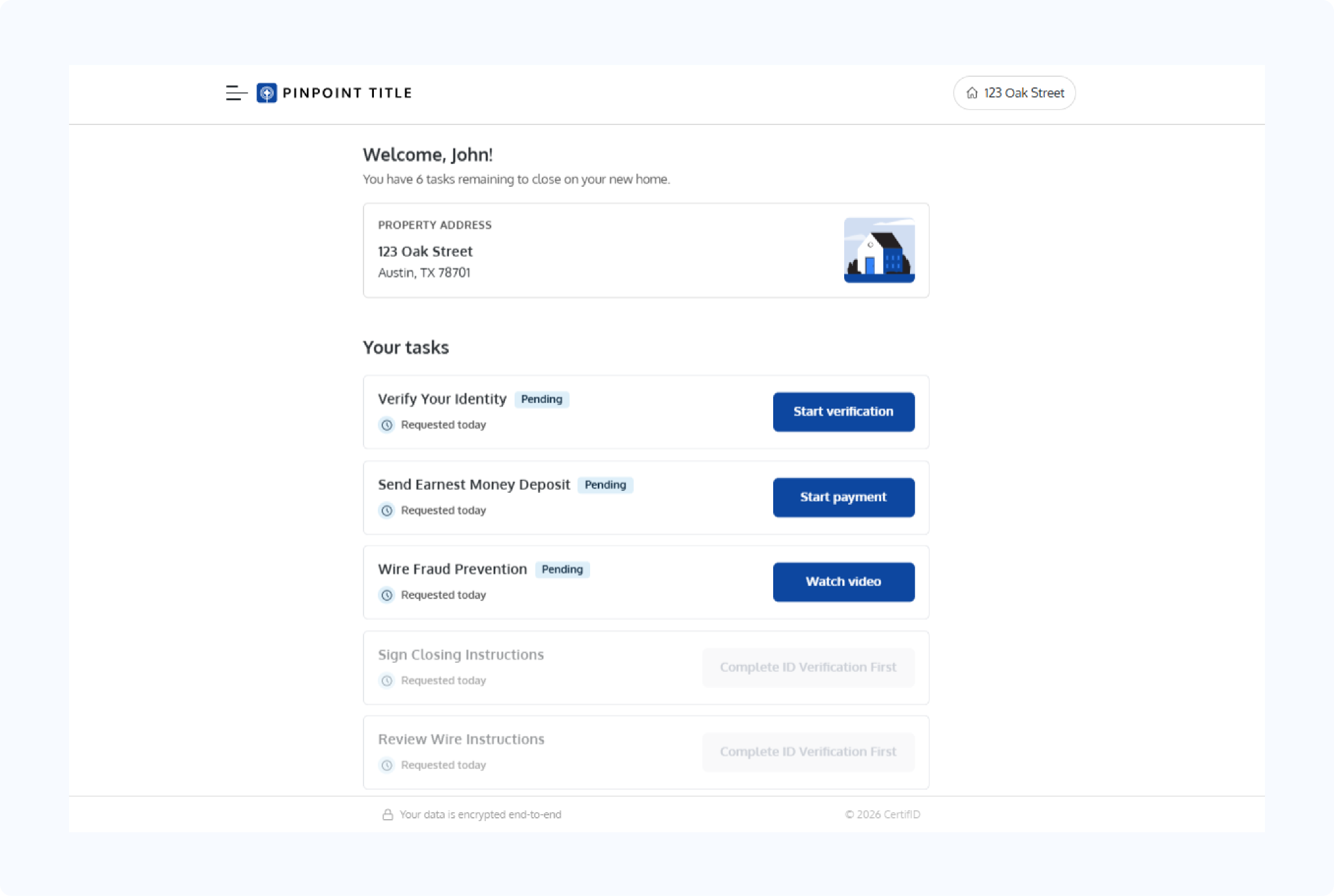
CertifID is a Closinglock alternative built exclusively for wire fraud prevention from day one. That design difference shows up in how it handles the entire process.
Our identity verification checks over 150 fraud markers at the same time. It analyzes device fingerprints, validates government IDs, runs facial biometrics, and catches unusual behavioral signals. Even with all those background checks, the user can complete the entire process within minutes.
When it comes to payoff instructions, our PayoffProtect tool relies on automated bank verification. If a file looks risky or the automation hits a snag, our in-house human callback team immediately steps in to verify the details and finish the job.
We also set up our insurance to give you actual protection. We offer $5 million in coverage per file and most importantly, your title company is named directly on the policy, which removes the extra step bottleneck you’d run into with Closinglock’s third-party structure. Because you own the policy, valid claims get paid out in as few as seven days.
If a sophisticated fraudster somehow beats the system, you aren't stuck handling the fallout alone. Our recovery team works directly with the U.S. Secret Service to freeze and claw back funds. Since we started the program, our team has recovered $130 million for more than 800 victims.
Key Features
- Payoff Protect: Submit a payoff statement and CertifID verifies the wiring instructions directly with the lending institution. If instant verification is not possible, CertifID's in-house team calls the lender on your behalf and returns a verified result. The client does not need to wait on hold or make callbacks.
- CertifID Match (ID Verification): Verify the identity of buyers, sellers, and any party in the transaction at every stage.
- Collect: Initiate a secure request for a seller's wiring instructions. The seller goes through three layers of authentication: device validation, multi-factor authentication, and knowledge-based authentication questions. Once verified, they submit their banking details. CertifID stores and delivers the information securely.
- Confirm (Share Instructions): Send your firm's wiring instructions to buyers through a secure, co-branded link. No portal login required. Recipients authenticate through device validation and multi-factor authentication and view the instructions in a secure, cloud-based environment. Every delivery creates an auditable trail.
- Business Verification: Verify the wiring instructions of other businesses in the transaction, including brokerages, 1031 exchanges, and other title companies.
- Integrations: SoftPro, ResWare, and Settlor integrations allow most CertifID workflows to be initiated directly from the title production system without switching tabs.
- U.S. Secret Service Partnership: In the event of wire fraud, CertifID's Fraud Recovery Services team works directly with the global intelligence unit of the Secret Service to pursue fund recovery. This collaboration guarantees a response and attention to the file that’s difficult to secure on your own.
Pricing Model
Straight forward, per-file pricing based on transaction volume. Custom enterprise plans are available for underwriters and national lenders.
Pros
- Real underwritten insurance, not a capped guarantee
- PayoffProtect covers a fraud category competitors miss
- Fast 5-minute support response time as per G2 reviews
Cons
- Enterprise onboarding can take longer than SMB setup
- Full payoff automation depends on lender data coverage
Best For
Title agencies and law firms that want verified insurance and a real recovery plan.
G2 Rating
4.8 out of 5 (144+ reviews)
2. Qualia Shield
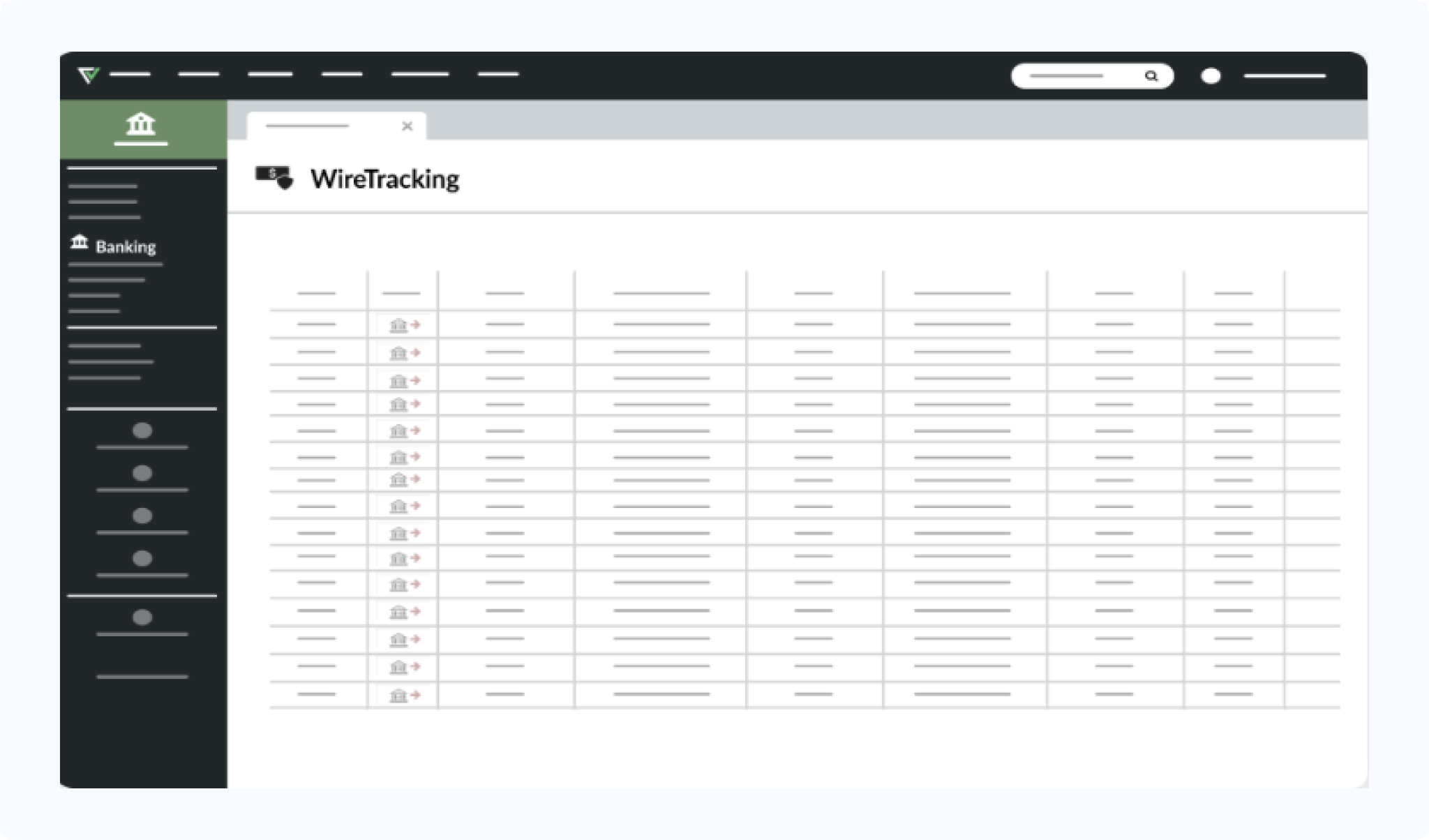
Qualia Shield is Qualia’s wire fraud detection, funding, and disbursement product for title and escrow teams.
It launched in October 2023 and is built directly into Qualia’s title production workflow. That makes it a strong fit for firms already running Qualia, but less practical for teams using SoftPro, ResWare, RamQuest, or another TPS unless they are willing to move more of their closing workflow into the Qualia ecosystem.
Key Features
- AI name matching cross-references identity information against public records
- Multivariable risk scoring on bank routing and account details
- Native fit inside Qualia Core and Qualia Connect workflows
- Educational content for buyers on wire fraud risks
- Automated flagging of last-minute changes to wiring details
Pricing Model
Bundled into Qualia's closing platform pricing.
Pros
- Convenient for firms already running Qualia end-to-end
- Identity verification feels seamless inside existing files
- Buyer-facing education adds a helpful trust layer
Cons
- Locked to the Qualia ecosystem and its pricing structure
- Manual verification still required for last-minute changes
Best For
Qualia Core or Connect users want fraud checks built into their closing room.
G2 Rating
4.7 out of 5 (333+ reviews, reflects the full Qualia platform)
3. AtClose
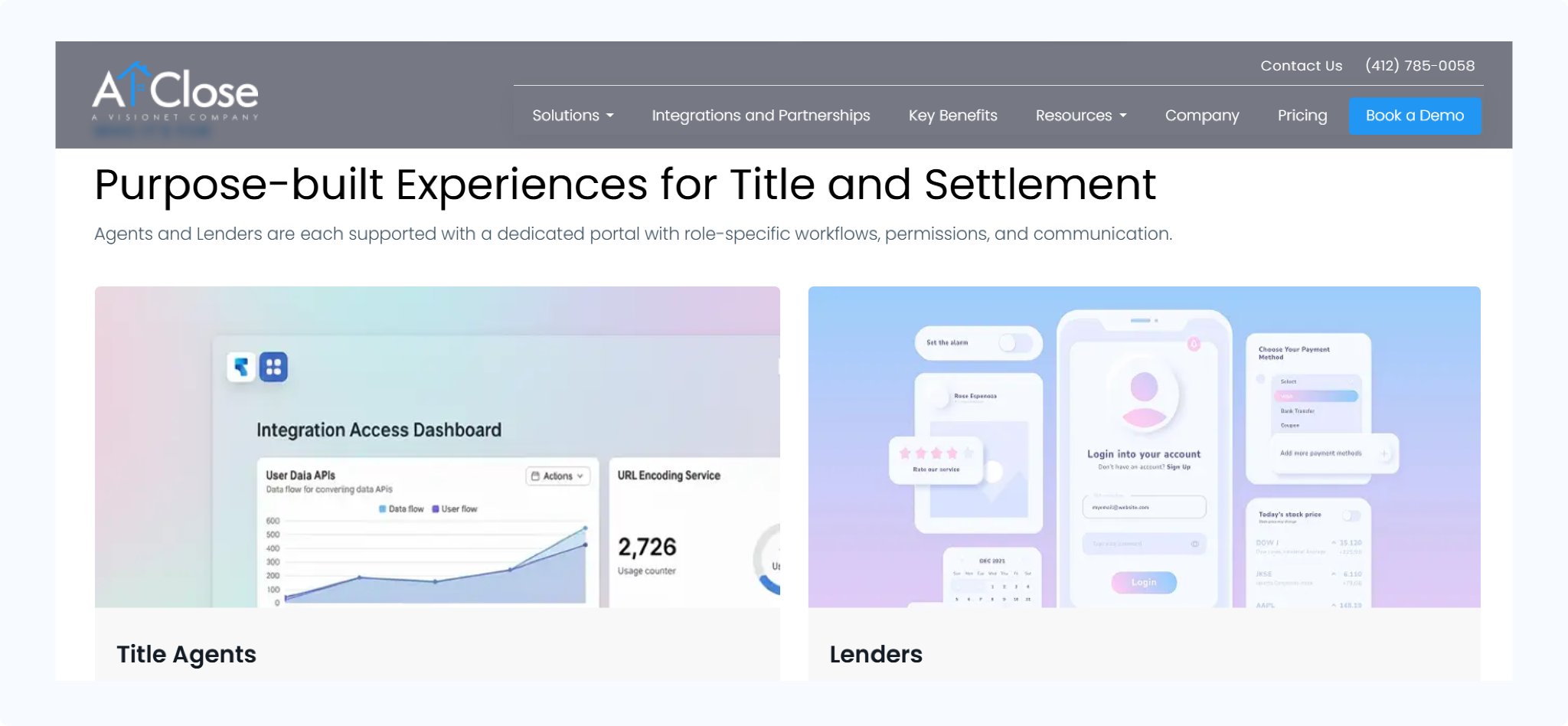
AtClose is a cloud-based title production and escrow platform built for mortgage companies, boutique agencies, and lenders.
It modernizes the closing workflow with automation, data-driven reporting, and faster cycle times. The platform connects with CertifID directly, meaning wire verification and fraud prevention run inside the AtClose environment without a separate login. Teams looking to consolidate their production software and security tools into one ecosystem will find AtClose a practical fit.
Key Features
- Cloud-native title, escrow, and mortgage closing workflows
- CertifID integration for seamless in-platform wire fraud prevention
- Automated task and milestone tracking across the closing cycle
- Data-driven reporting for pipeline visibility and performance insights
- Modular setup with fast deployment for boutique and mid-size firms
Pricing Model
Flexible licensing plans based on firm size and usage. Details available directly via AtClose.
Pros
- CertifID integration keeps fraud prevention inside the existing workflow
- Cloud-native setup reduces IT overhead for smaller teams
- Modular design lets firms scale without overhauling their stack
Cons
- A production platform first, not a dedicated fraud prevention tool
- Feature overkill for small firms with lower closing volumes
Best For
Boutique agencies and lenders wanting a modern TPS with CertifID fraud prevention built in.
G2 Rating
Public G2 data not readily available
4. Earnnest
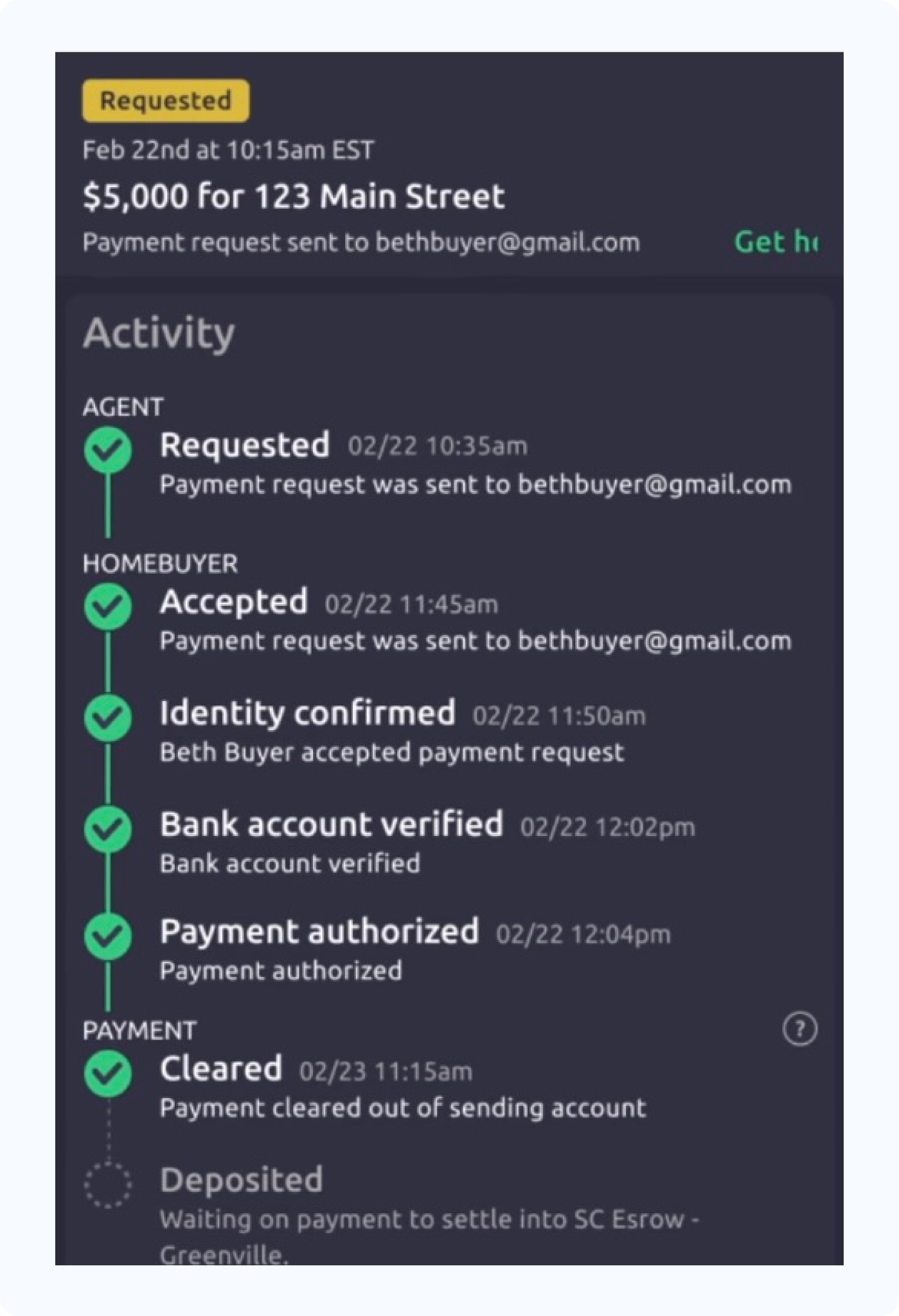
Earnnest is a digital earnest money deposit platform. It lets homebuyers send EMD payments straight from their bank account with no check or wire required. The platform is built for real estate agents and brokerages that want a simpler, faster way to collect deposits. For that narrow use case, it stands apart.
Earnnest solves one slice of the closing. To cover the EMD-adjacent risk plus payoff fraud and the wire itself, you must look elsewhere. That makes scope a key point of comparison.
Key Features
- Bank-to-bank EMD transfers with no wire required
- Free platform access for agents and escrow holders
- Real-time payment status notifications for all parties
- SOC 2 Type 2 certified transaction security
- Mobile-friendly setup with no app download needed
Pricing Model
Free for agents and escrow-holding businesses. A flat convenience fee applies to the homebuyer per transaction.
Pros
- Removes wire and check fraud risk from EMD specifically
- No cost for agents or title companies to use
- Simple mobile app experience for buyers
Cons
- Covers earnest money only, not full closing risk
- No payoff verification or seller identity checks
Best For
Agents who only need a digital EMD option.
G2 Rating
Public G2 data not readily available
5. FundingShield
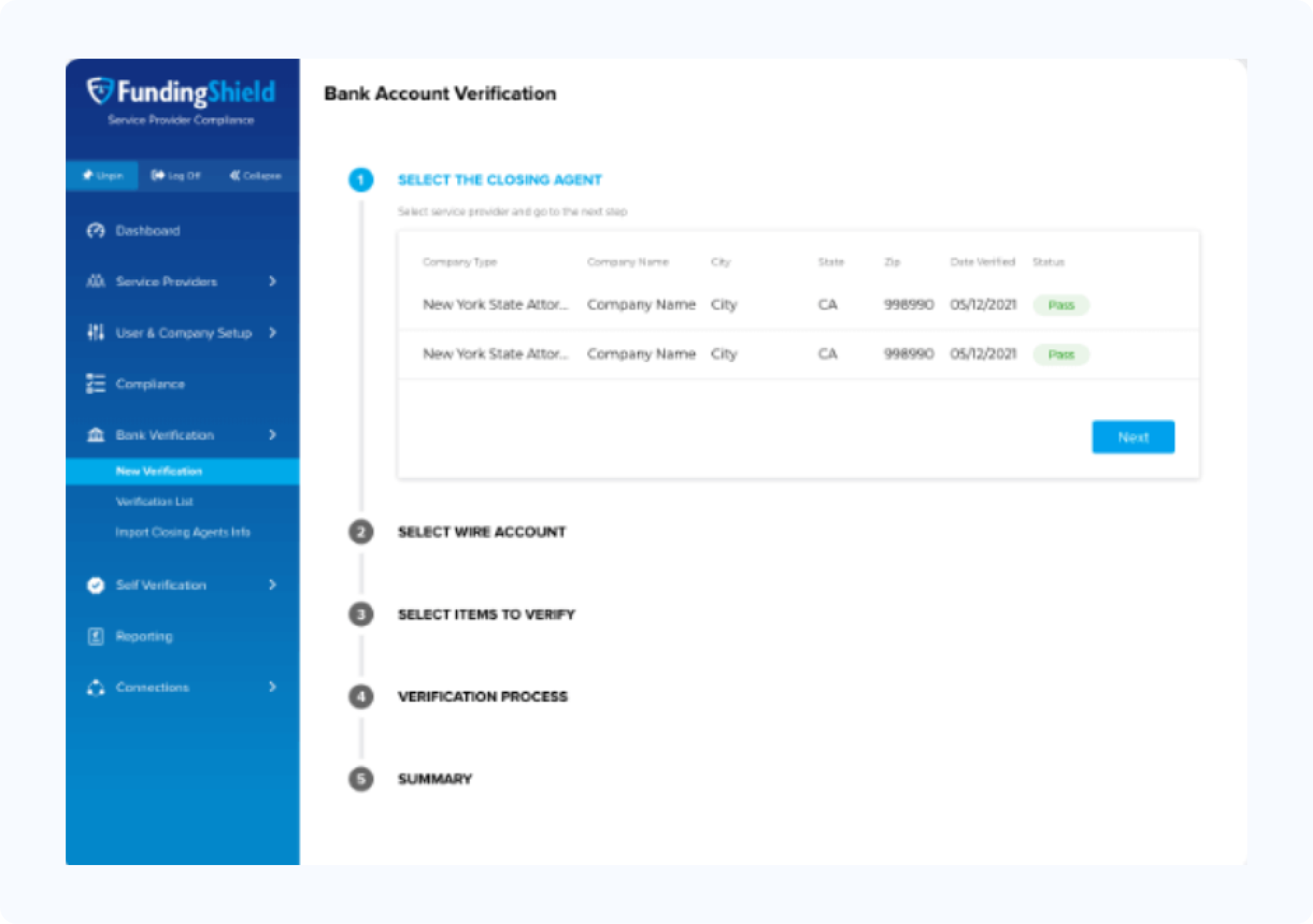
FundingShield is a lender-facing risk platform. It validates wire instructions, agent licensing, and closing protection letters. The software does this before mortgage funds are released. Lenders use it to catch settlement risk across their loan portfolio, not on a single file.That focus shapes its fit.
FundingShield serves the lender side well. But it leaves the title agency and law firm vulnerable. That's where the closing happens, and insurance matters most. This is why some buyers keep looking for other options.
Key Features
- Pre-funding wire instruction validation for lenders
- CPL (closing protection letter) verification at scale
- Agent licensing and insurance status checks
- Quarterly fraud risk benchmarking across loan portfolios
- Centralized dashboard for tracking risk across loan files
Pricing Model
Enterprise pricing based on loan or transaction volume. Terms are typically negotiated directly with lenders.
Pros
- Strong fit for lenders managing large loan portfolios
- Detailed compliance data supports audit requirements
- Published quarterly risk reports add industry credibility
Cons
- Built for lenders, not title agency daily workflows
- Less suited to solo or small title shop budgets
Best For
Lenders needing pre-funding compliance and wire validation at scale.
G2 Rating
Public G2 data not readily available
6. Zoccam
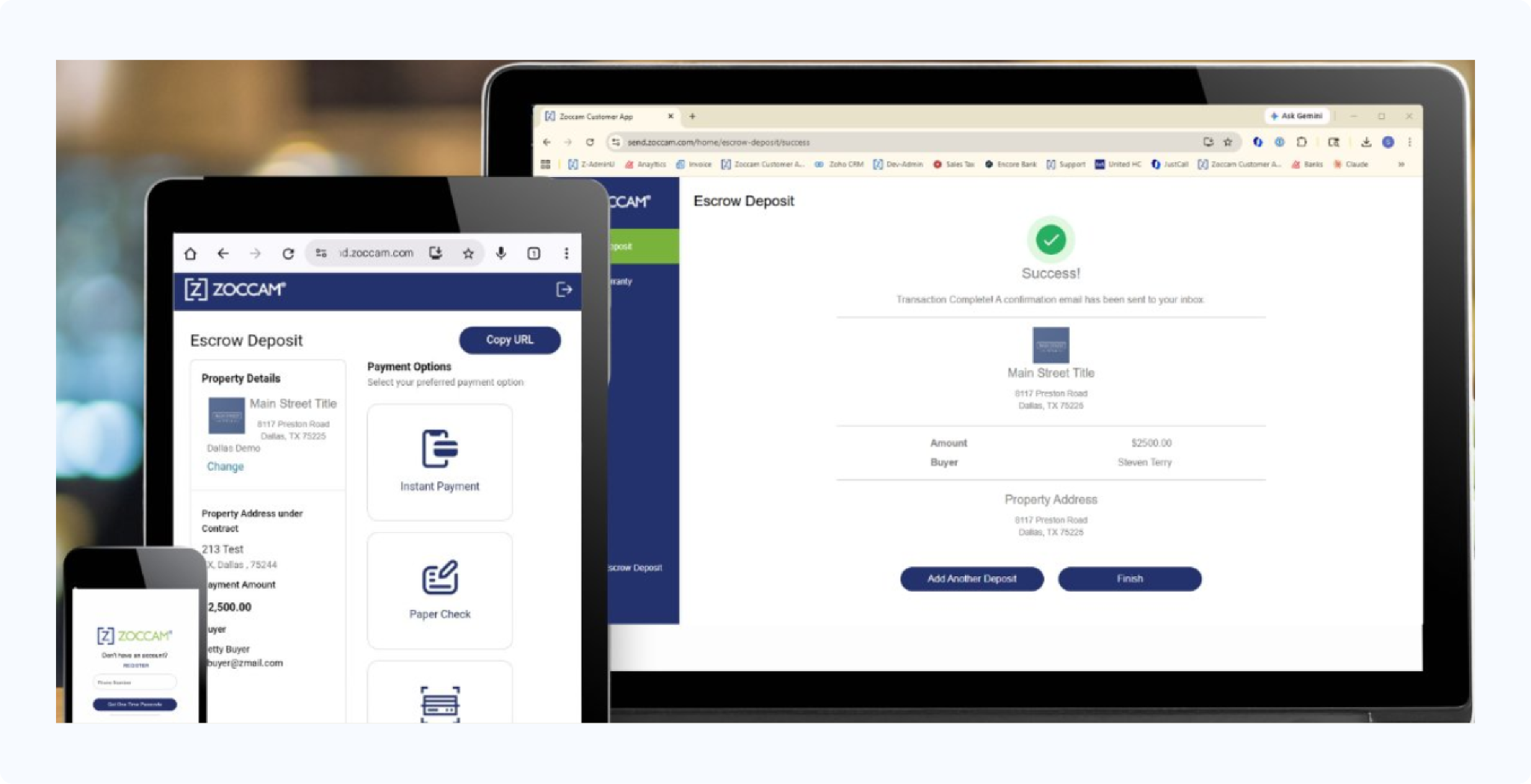
Zoccam is a digital escrow deposit platform built for real estate closings, positioned as a direct consumer-to-title-company transfer tool rather than a traditional EMD payment link.
Like other EMD-only tools, Zoccam leaves payoff fraud and wire risk uncovered. Forinsured wire and payoff protection together, you need to look elsewhere.
Key Features
- Direct-to-escrow transfers with no bank information exchanged between parties
- Identity verification for every payor, powered by Mitek ID Verify
- Integrates with SoftPro, RamQuest, and existing CRM systems
- Real-time approval portal for title companies to review and approve transactions
- Works on any device with no app download required
Pricing Model
Free for agents and buyers. Pricing for title companies is not publicly disclosed on Zoccam’s site.
Pros
- No bank information exchanged, reducing a key BEC attack vector
- Built-in identity verification reduces impersonation risk
- Free for agents and buyers with no app download required
Cons
- No payoff verification or wire instruction protection (covers escrow deposits only)
- No dedicated insurance product for deposits or wires
Best For
Title companies and brokerages wanting a direct, verified escrow deposit tool without full wire fraud coverage
G2 Rating
Public G2 data not readily available
How to choose the right Closinglock alternative
The right platform depends entirely on what your business needs. Here are some questions you should be asking to assess that:
- What is your primary risk? If your biggest headache is payoff fraud and securely collecting seller wiring instructions, you need a tool that can verify those details, not just deliver your own. Asking this single question will narrow down your options fast.
- What happens if a wire goes sideways? Insurance shouldn't be treated like fine print. You need to know if the coverage is first-party or third-party, what the ceiling is, and how painful the claims process is. The structure of the policy matters just as much as the dollar amount, since it determines how fast a valid claim gets paid.
- What is your current verification process costing you? If your team spends an hour per file making phone calls to double-check payoff instructions, and you close 50 files a month, that’s 50 hours of unbilled staff time. Paying a small per-file fee for a tool that completely wipes out those calls usually pays for itself in just a couple of months.
- How much friction can your clients actually take? If you’re constantly dealing with buyers and sellers who aren't tech-savvy, a portal that forces them to create an account and remember a password is going to cause major delays. A simple, secure link-based model that doesn't require a login keeps things moving.
- Do you need integrations? If your team basically lives inside SoftPro, ResWare, or another title production system, look for a tool that plugs right into what you already use. Forcing your team into a separate, parallel workflow slows the whole team down.
Get closing protection that goes further
Closinglock alternatives vary widely in coverage and depth, and most of the tools cover part of the risk well. CertifID gives you full closing protection. CertifID backs verified wires and payoffs with up to $5M in real insurance, and its recovery team works directly with the Secret Service.
FAQ
Is Qualia Shield better than Closinglock?

It depends on your setup. Qualia Shield fits naturally if your firm already runs on Qualia. Closinglock works as a standalone tool across any production system.
What is the best Closinglock alternative?
CertifID pairs identity verification and secure wire instructions with insurance your title company owns directly, not a third-party policy you're added to after the fact. That ownership is what gets a valid claim paid in as few as seven days, instead of routed through someone else's claims process.
Do these alternatives all offer insurance?
No. Most competitors offer detection or alerts, not underwritten insurance. CertifID is one of the few backing verified wires and payoffs with real coverage from an A-rated carrier.
Can I use more than one of these tools together?
Yes. Some firms pair an EMD-only tool, such as Earnnest, with a more comprehensive platform, such as CertifID. That covers both earnest money and closing-day wire risk.
Which alternative is best for mortgage payoff fraud specifically?
CertifID's PayoffProtect is built for this exact problem. It automates payoff statement and lender account verification. Most competitors don't address this category directly.

Head of Product Marketing

Tyler brings over 15 years across SaaS and AI, he specializes in turning complex technology into clear, differentiated stories for audiences from startup to enterprise. At CertifID he leads the positioning, messaging, and go-to-market strategy behind the company's work to make real estate closings safe and simple.
Quick summary
Closinglock is a solid wire fraud tool. But it has limitations, and it is not the only option. CertifID leads the list of Closinglock alternatives, offering deep integrations and partnering with the U.S. Secret Service for fraud recovery. Qualia Shield and AtClose follow close behind.
Looking for the best alternatives to Closinglock?
For years, Closinglock has been many firms' default choice for delivering and receiving wiring instructions securely. But lately, if you're looking at your options, or second-guessing your current setup, a few questions matter more than the rest: whether the tool verifies wiring instructions reliably, what happens when a wire goes wrong, and what the insurance covers.
This guide walks through six alternatives so you can answer those questions for your business.
We’re breaking down six of the best Closinglock alternatives on the market right now. For every tool on the list, we’ll give you the honest lowdown on what it does, plus a quick breakdown of how to choose the right fit for your team.
Why listen to us?
CertifID was created by title professionals after our founder lost over $180,000 in a Black Axe-linked BEC attack and fought to get it back. Since then, we’ve recovered $130M+ for fraud victims and verified 1.46M wires in 2025. Our State of Wire Fraud report is cited by NAR, ALTA, HousingWire, and industry media.
What is Closinglock?
Closinglock is a wire fraud prevention platform designed primarily for title companies, escrow companies, and real estate attorneys. Its main functions include securely delivering wiring instructions to buyers, receiving wiring instructions from sellers, processing earnest money deposits (EMD) digitally through a Plaid integration, and offering e-sign and document sharing capabilities.
The platform has grown quickly and built strong brand awareness in the title space. It is generally seen as a good entry point for firms that want to move beyond sending wiring instructions by email or PDF. Whether it is the right long-term partner is a different question, and the answer depends on what you need from a wire fraud prevention tool.
Let’s go a step further.
Some reasons you might be looking for alternatives to Closinglock
The insurance works differently than you might expect
In late 2024, Closinglock rolled out wire fraud insurance coverage backed by Lloyd’s of London, offering up to $5 million per wire. While that dollar amount sounds great on paper, the ownership structure of the policy is what affects your claims experience.
ClosingLock's coverage runs on a third-party policy that ClosingLock owns and controls. You're added as an insured, but the policy isn't yours. If a wire goes sideways, the questions worth asking are who was the named insured on their last paid claim, what the deductible was, and how long the payout took.
That setup just adds time and an extra layer between you and your money.
There's no recovery operation if fraud gets through
Closinglock's prevention tools focus on blocking fraud before it happens, and that's the right engineering priority for any platform in this space. The open question is what happens when a wire goes out fraudulently, anyway.
Closinglock provides no dedicated fraud recovery team to engage after that point. The FBI's guidance is to contact your financial institution and law enforcement within 72 hours, and recovery rates drop sharply outside that window.
The portal model creates friction for recipients
Closinglock requires recipients to create a login and password to access the platform. For buyers who are already overwhelmed by the closing process, this is one more step. For third-party companies, like a 1031 exchange company or a closing office in another state that has never heard of Closinglock, the friction is real enough that many recipients either delay or abandon the process.
A Quick Look At 6 Closinglock Alternatives
Now let’s look at each Closinglock alternative in detail.
1. CertifID
CertifID is a Closinglock alternative built exclusively for wire fraud prevention from day one. That design difference shows up in how it handles the entire process.
Our identity verification checks over 150 fraud markers at the same time. It analyzes device fingerprints, validates government IDs, runs facial biometrics, and catches unusual behavioral signals. Even with all those background checks, the user can complete the entire process within minutes.
When it comes to payoff instructions, our PayoffProtect tool relies on automated bank verification. If a file looks risky or the automation hits a snag, our in-house human callback team immediately steps in to verify the details and finish the job.
We also set up our insurance to give you actual protection. We offer $5 million in coverage per file and most importantly, your title company is named directly on the policy, which removes the extra step bottleneck you’d run into with Closinglock’s third-party structure. Because you own the policy, valid claims get paid out in as few as seven days.
If a sophisticated fraudster somehow beats the system, you aren't stuck handling the fallout alone. Our recovery team works directly with the U.S. Secret Service to freeze and claw back funds. Since we started the program, our team has recovered $130 million for more than 800 victims.
Key Features
- Payoff Protect: Submit a payoff statement and CertifID verifies the wiring instructions directly with the lending institution. If instant verification is not possible, CertifID's in-house team calls the lender on your behalf and returns a verified result. The client does not need to wait on hold or make callbacks.
- CertifID Match (ID Verification): Verify the identity of buyers, sellers, and any party in the transaction at every stage.
- Collect: Initiate a secure request for a seller's wiring instructions. The seller goes through three layers of authentication: device validation, multi-factor authentication, and knowledge-based authentication questions. Once verified, they submit their banking details. CertifID stores and delivers the information securely.
- Confirm (Share Instructions): Send your firm's wiring instructions to buyers through a secure, co-branded link. No portal login required. Recipients authenticate through device validation and multi-factor authentication and view the instructions in a secure, cloud-based environment. Every delivery creates an auditable trail.
- Business Verification: Verify the wiring instructions of other businesses in the transaction, including brokerages, 1031 exchanges, and other title companies.
- Integrations: SoftPro, ResWare, and Settlor integrations allow most CertifID workflows to be initiated directly from the title production system without switching tabs.
- U.S. Secret Service Partnership: In the event of wire fraud, CertifID's Fraud Recovery Services team works directly with the global intelligence unit of the Secret Service to pursue fund recovery. This collaboration guarantees a response and attention to the file that’s difficult to secure on your own.
Pricing Model
Straight forward, per-file pricing based on transaction volume. Custom enterprise plans are available for underwriters and national lenders.
Pros
- Real underwritten insurance, not a capped guarantee
- PayoffProtect covers a fraud category competitors miss
- Fast 5-minute support response time as per G2 reviews
Cons
- Enterprise onboarding can take longer than SMB setup
- Full payoff automation depends on lender data coverage
Best For
Title agencies and law firms that want verified insurance and a real recovery plan.
G2 Rating
4.8 out of 5 (144+ reviews)
2. Qualia Shield
Qualia Shield is Qualia’s wire fraud detection, funding, and disbursement product for title and escrow teams.
It launched in October 2023 and is built directly into Qualia’s title production workflow. That makes it a strong fit for firms already running Qualia, but less practical for teams using SoftPro, ResWare, RamQuest, or another TPS unless they are willing to move more of their closing workflow into the Qualia ecosystem.
Key Features
- AI name matching cross-references identity information against public records
- Multivariable risk scoring on bank routing and account details
- Native fit inside Qualia Core and Qualia Connect workflows
- Educational content for buyers on wire fraud risks
- Automated flagging of last-minute changes to wiring details
Pricing Model
Bundled into Qualia's closing platform pricing.
Pros
- Convenient for firms already running Qualia end-to-end
- Identity verification feels seamless inside existing files
- Buyer-facing education adds a helpful trust layer
Cons
- Locked to the Qualia ecosystem and its pricing structure
- Manual verification still required for last-minute changes
Best For
Qualia Core or Connect users want fraud checks built into their closing room.
G2 Rating
4.7 out of 5 (333+ reviews, reflects the full Qualia platform)
3. AtClose
AtClose is a cloud-based title production and escrow platform built for mortgage companies, boutique agencies, and lenders.
It modernizes the closing workflow with automation, data-driven reporting, and faster cycle times. The platform connects with CertifID directly, meaning wire verification and fraud prevention run inside the AtClose environment without a separate login. Teams looking to consolidate their production software and security tools into one ecosystem will find AtClose a practical fit.
Key Features
- Cloud-native title, escrow, and mortgage closing workflows
- CertifID integration for seamless in-platform wire fraud prevention
- Automated task and milestone tracking across the closing cycle
- Data-driven reporting for pipeline visibility and performance insights
- Modular setup with fast deployment for boutique and mid-size firms
Pricing Model
Flexible licensing plans based on firm size and usage. Details available directly via AtClose.
Pros
- CertifID integration keeps fraud prevention inside the existing workflow
- Cloud-native setup reduces IT overhead for smaller teams
- Modular design lets firms scale without overhauling their stack
Cons
- A production platform first, not a dedicated fraud prevention tool
- Feature overkill for small firms with lower closing volumes
Best For
Boutique agencies and lenders wanting a modern TPS with CertifID fraud prevention built in.
G2 Rating
Public G2 data not readily available
4. Earnnest
Earnnest is a digital earnest money deposit platform. It lets homebuyers send EMD payments straight from their bank account with no check or wire required. The platform is built for real estate agents and brokerages that want a simpler, faster way to collect deposits. For that narrow use case, it stands apart.
Earnnest solves one slice of the closing. To cover the EMD-adjacent risk plus payoff fraud and the wire itself, you must look elsewhere. That makes scope a key point of comparison.
Key Features
- Bank-to-bank EMD transfers with no wire required
- Free platform access for agents and escrow holders
- Real-time payment status notifications for all parties
- SOC 2 Type 2 certified transaction security
- Mobile-friendly setup with no app download needed
Pricing Model
Free for agents and escrow-holding businesses. A flat convenience fee applies to the homebuyer per transaction.
Pros
- Removes wire and check fraud risk from EMD specifically
- No cost for agents or title companies to use
- Simple mobile app experience for buyers
Cons
- Covers earnest money only, not full closing risk
- No payoff verification or seller identity checks
Best For
Agents who only need a digital EMD option.
G2 Rating
Public G2 data not readily available
5. FundingShield
FundingShield is a lender-facing risk platform. It validates wire instructions, agent licensing, and closing protection letters. The software does this before mortgage funds are released. Lenders use it to catch settlement risk across their loan portfolio, not on a single file.That focus shapes its fit.
FundingShield serves the lender side well. But it leaves the title agency and law firm vulnerable. That's where the closing happens, and insurance matters most. This is why some buyers keep looking for other options.
Key Features
- Pre-funding wire instruction validation for lenders
- CPL (closing protection letter) verification at scale
- Agent licensing and insurance status checks
- Quarterly fraud risk benchmarking across loan portfolios
- Centralized dashboard for tracking risk across loan files
Pricing Model
Enterprise pricing based on loan or transaction volume. Terms are typically negotiated directly with lenders.
Pros
- Strong fit for lenders managing large loan portfolios
- Detailed compliance data supports audit requirements
- Published quarterly risk reports add industry credibility
Cons
- Built for lenders, not title agency daily workflows
- Less suited to solo or small title shop budgets
Best For
Lenders needing pre-funding compliance and wire validation at scale.
G2 Rating
Public G2 data not readily available
6. Zoccam
Zoccam is a digital escrow deposit platform built for real estate closings, positioned as a direct consumer-to-title-company transfer tool rather than a traditional EMD payment link.
Like other EMD-only tools, Zoccam leaves payoff fraud and wire risk uncovered. Forinsured wire and payoff protection together, you need to look elsewhere.
Key Features
- Direct-to-escrow transfers with no bank information exchanged between parties
- Identity verification for every payor, powered by Mitek ID Verify
- Integrates with SoftPro, RamQuest, and existing CRM systems
- Real-time approval portal for title companies to review and approve transactions
- Works on any device with no app download required
Pricing Model
Free for agents and buyers. Pricing for title companies is not publicly disclosed on Zoccam’s site.
Pros
- No bank information exchanged, reducing a key BEC attack vector
- Built-in identity verification reduces impersonation risk
- Free for agents and buyers with no app download required
Cons
- No payoff verification or wire instruction protection (covers escrow deposits only)
- No dedicated insurance product for deposits or wires
Best For
Title companies and brokerages wanting a direct, verified escrow deposit tool without full wire fraud coverage
G2 Rating
Public G2 data not readily available
How to choose the right Closinglock alternative
The right platform depends entirely on what your business needs. Here are some questions you should be asking to assess that:
- What is your primary risk? If your biggest headache is payoff fraud and securely collecting seller wiring instructions, you need a tool that can verify those details, not just deliver your own. Asking this single question will narrow down your options fast.
- What happens if a wire goes sideways? Insurance shouldn't be treated like fine print. You need to know if the coverage is first-party or third-party, what the ceiling is, and how painful the claims process is. The structure of the policy matters just as much as the dollar amount, since it determines how fast a valid claim gets paid.
- What is your current verification process costing you? If your team spends an hour per file making phone calls to double-check payoff instructions, and you close 50 files a month, that’s 50 hours of unbilled staff time. Paying a small per-file fee for a tool that completely wipes out those calls usually pays for itself in just a couple of months.
- How much friction can your clients actually take? If you’re constantly dealing with buyers and sellers who aren't tech-savvy, a portal that forces them to create an account and remember a password is going to cause major delays. A simple, secure link-based model that doesn't require a login keeps things moving.
- Do you need integrations? If your team basically lives inside SoftPro, ResWare, or another title production system, look for a tool that plugs right into what you already use. Forcing your team into a separate, parallel workflow slows the whole team down.
Get closing protection that goes further
Closinglock alternatives vary widely in coverage and depth, and most of the tools cover part of the risk well. CertifID gives you full closing protection. CertifID backs verified wires and payoffs with up to $5M in real insurance, and its recovery team works directly with the Secret Service.
Head of Product Marketing
Tyler brings over 15 years across SaaS and AI, he specializes in turning complex technology into clear, differentiated stories for audiences from startup to enterprise. At CertifID he leads the positioning, messaging, and go-to-market strategy behind the company's work to make real estate closings safe and simple.
Sign up for The Wire to join the conversation.


.png)


Austin
3601 South Congress Ave.
Ste D200, Austin, Texas 78704

Grand Rapids
124 Fulton Street E
Grand Rapids, MI 49503

